You wake up, check the weather, and it’s pouring outside. Do you cancel your plans, or do you simply grab a jacket and head out?
It might seem like a small decision, but across cultures, this reveals something deeper about how people approach daily life. Comparing Taiwan and the Netherlands, the difference isn’t just about rain, but about mindset, habits, and how much control you give to your surroundings.
When Weather Shapes You (or Doesn’t)
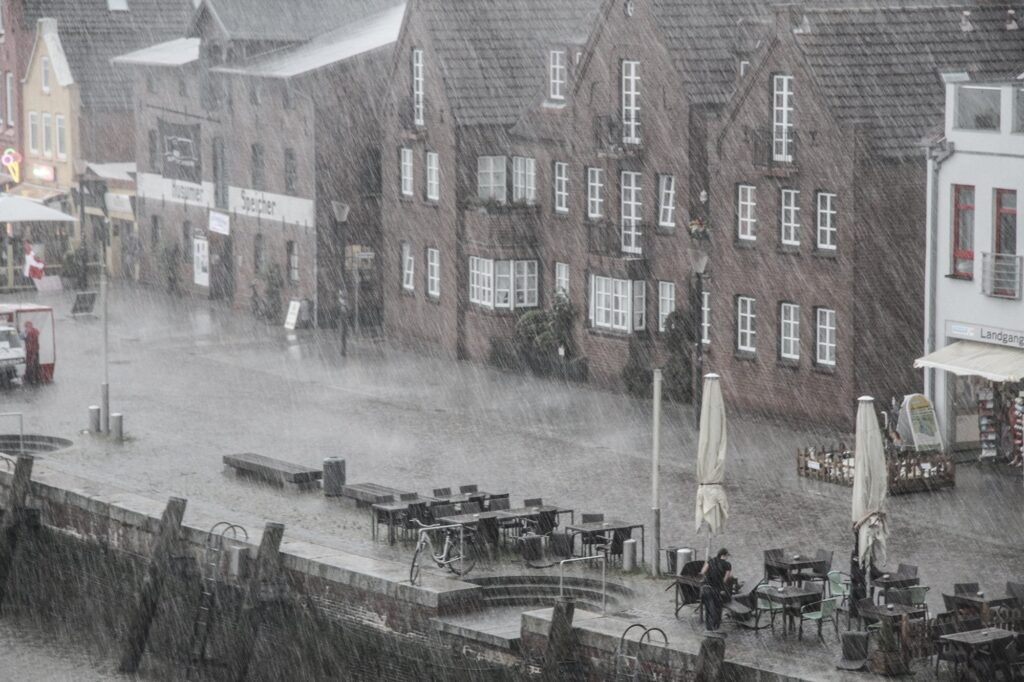
In the Netherlands, rain is rarely treated as a disruption, but simply part of the environment. People bike to work, attend classes, and meet friends regardless of whether it’s drizzling or windy. This consistency creates a habit of detaching daily routines from external conditions. Over time, this builds a mindset where productivity and plans are internally driven, not dependent on the weather.
Taiwan presents a different dynamic. With its subtropical climate, rain is often heavier, more sudden, and sometimes extreme, especially during typhoon seasons. As a result, weather plays a more active role in shaping daily decisions. It’s common to check forecasts before heading out, carry umbrellas as essentials, or delay plans when conditions worsen. This doesn’t reflect a lack of discipline, but rather an adaptive response to a more intense environment.
The long-term effect is subtle but important. In the Netherlands, people develop consistency through routine regardless of circumstances. In Taiwan, people develop flexibility by adjusting to ever-changing conditions. Both approaches are practical, but they train entirely different default reactions to everyday challenges.
Planning Life: Structured Control vs Spontaneous Flow
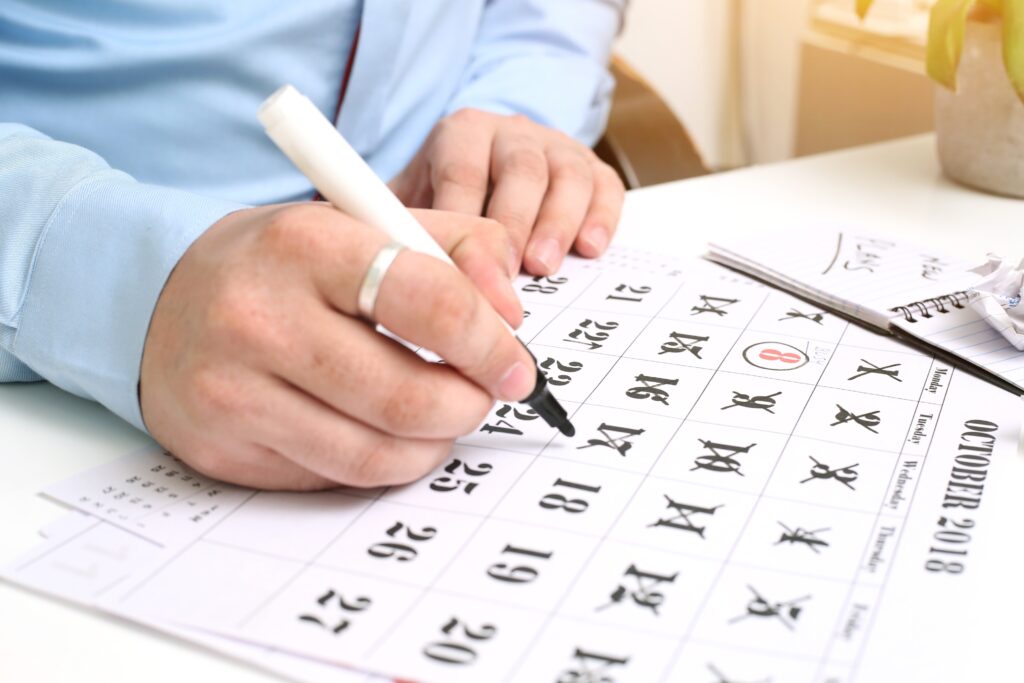
Beyond weather, these differences extend into how people organize their time. In the Netherlands, planning is often deliberate and structured. Social meetups are scheduled in advance, sometimes even weeks ahead, and personal time is carefully managed. This approach reflects a broader cultural emphasis on balance and efficiency, where individuals aim to maintain clear boundaries between work, rest, and social life.
This structured system offers predictability. People know what their week looks like, can prepare mentally, and avoid overcommitting themselves. However, it can also reduce spontaneity, as last-minute plans may conflict with pre-existing schedules.
In Taiwan, planning tends to be more flexible. While people still organize their responsibilities, social activities often happen more spontaneously. A casual message in the evening can quickly turn into a night out, whether it’s visiting a night market, grabbing bubble tea, or simply spending time with friends. The accessibility of food, transportation, and entertainment makes it easy to act on impulse.
This creates a lifestyle that prioritizes experience and immediacy. Instead of strictly allocating time, people are more likely to adapt their plans as opportunities arise. While this encourages social connection and exploration, it can sometimes make time management less predictable.
One Simple Question: What Do You Optimize For?
Ultimately, the contrast between Taiwan and the Netherlands isn’t about which lifestyle is better, but about what each environment encourages. The Netherlands promotes consistency, structure, and independence from external conditions, while Taiwan emphasizes adaptability, spontaneity, and responsiveness to the moment.
Over time, these small daily habits—whether it’s biking through the rain or saying yes to an unplanned outing—gradually shape how people approach life. They influence not just routines, but also attitudes toward control, flexibility, and what it means to live comfortably.
Not Ready to Choose? Try Mixing Your Own Playstyle
Still unsure which lifestyle resonates more with you? Maybe you don’t have to choose at all. The real advantage comes from recognizing these differences and selectively adopting what works best for you. After all, building your ideal lifestyle might not be about where you are—but how you decide to live within it.
The author wrote the blog using ChatGPT as a tool and assistant. After using this tools/services, the author reviewed and edited the content as needed and take(s) full responsibility for the content of the work.
Leave a Reply