Peruvian cuisine is widely regarded as one of the most dynamic and diverse in the world, but its richness comes not from complexity alone—it is the result of centuries of cultural convergence, geography, and adaptation. To understand how people in Peru actually eat, it’s essential to examine the country’s layered history and the everyday habits that shape its food culture beyond the internationally popular dishes.
At the core of Peruvian cuisine lies a blend of Indigenous traditions and foreign influences. Long before European contact, civilizations like the Inca developed agricultural systems that introduced staples such as potatoes, maize, and chili peppers. Peru is still home to thousands of potato varieties, and this diversity continues to play a central role in daily meals. The arrival of Spanish colonizers in the 16th century brought new ingredients like rice, wheat, and livestock, which were gradually integrated into local cooking. Later waves of immigration—from Africa, China, and Japan—further transformed the cuisine, creating unique fusion styles that remain visible today.
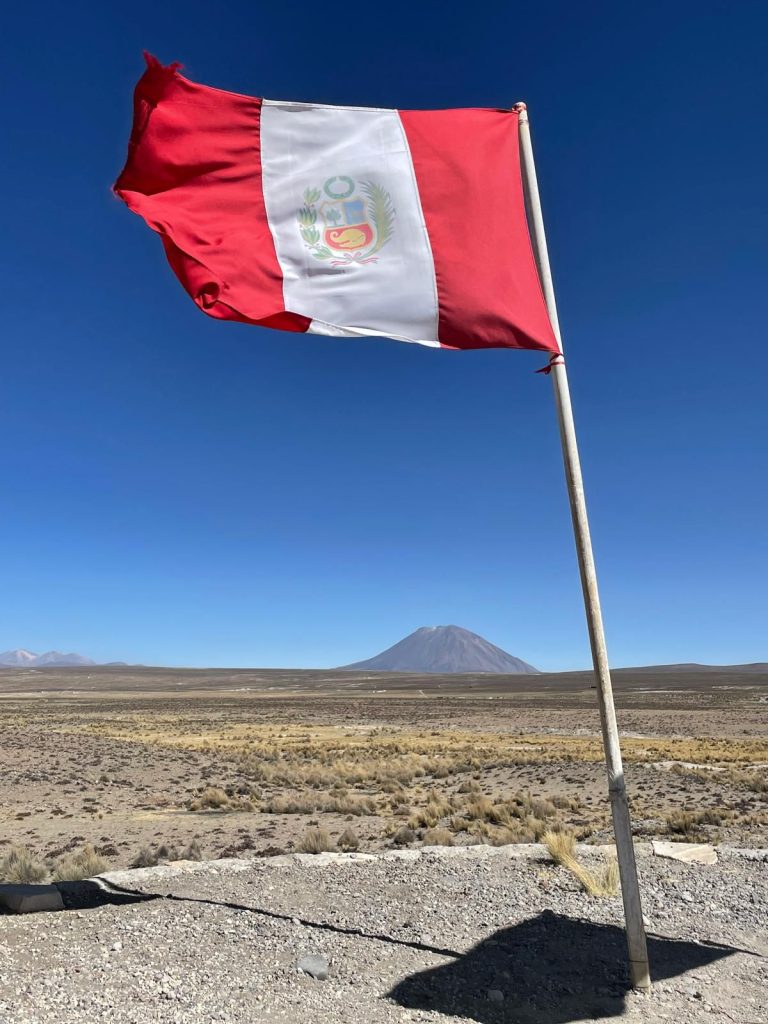
This multicultural influence is particularly evident in everyday eating habits. A typical Peruvian day revolves around three meals, with lunch (almuerzo) being the most important. Breakfast is usually simple, often consisting of bread with butter or cheese, sometimes accompanied by eggs and coffee. In urban areas, it might also include fresh fruit juices, reflecting the country’s abundance of tropical produce.
Lunch, however, is substantial and structured. Many people eat a “menú del día,” an affordable set meal offered in small restaurants and local eateries. This usually includes a starter—often soup—followed by a main dish and a drink, commonly a fruit-based beverage. This tradition reflects both economic practicality and cultural preference for balanced, filling meals during the middle of the day.
Dinner tends to be lighter, sometimes consisting of leftovers or simpler dishes. This pattern highlights an important aspect of Peruvian eating habits: energy intake is concentrated earlier in the day, especially for those engaged in physically demanding work.

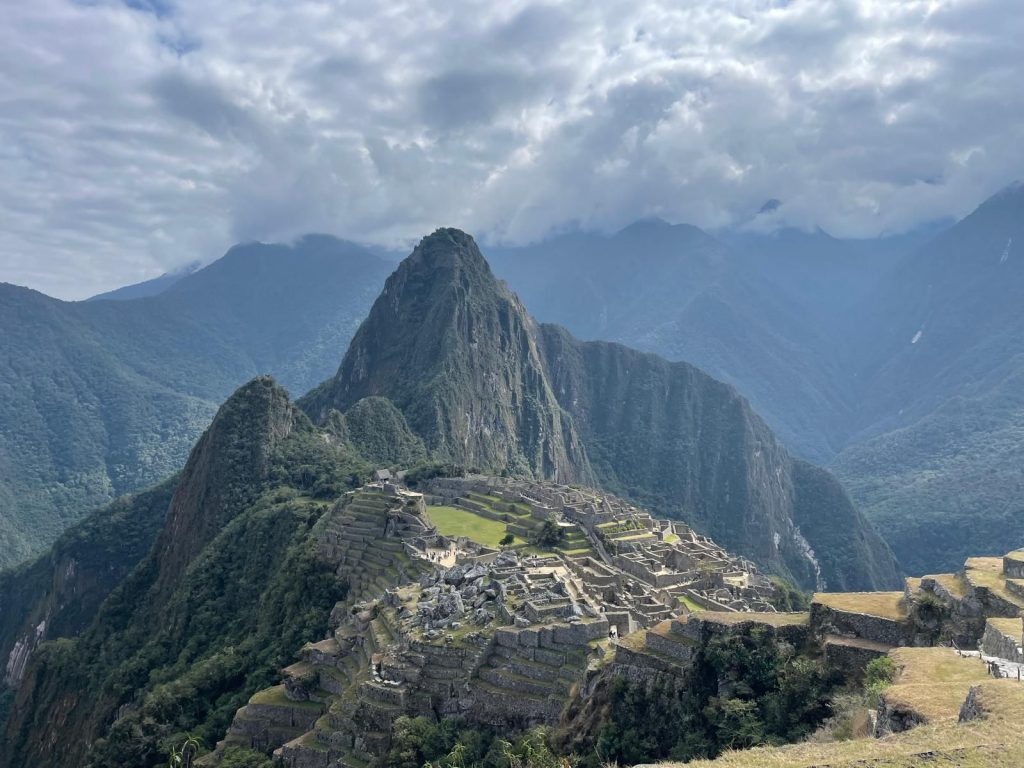
Among the most iconic dishes is ceviche, made from raw fish marinated in lime juice, chili, and onions. While globally recognized, in Peru it is typically eaten at lunchtime rather than dinner, as freshness is essential. Coastal regions, particularly around Lima, emphasize seafood-based dishes like this, reflecting direct access to the Pacific Ocean.
In contrast, the Andean highlands rely on ingredients adapted to altitude and climate. Dishes such as lomo saltado—a stir-fry combining beef, onions, tomatoes, and fries—demonstrate the fusion of Chinese cooking techniques with local ingredients, a style known as “chifa.” Similarly, ají de gallina, a creamy chicken dish with chili and walnuts, reflects Spanish influence combined with indigenous flavors.
The Amazon region introduces yet another dimension, with ingredients like cassava, plantains, and river fish shaping local diets. Cooking methods here are often simpler, emphasizing grilling or wrapping food in leaves, which aligns with the region’s environmental conditions and traditional practices.
Street food also plays a significant role in daily life. Vendors offer items like anticuchos (grilled skewers, often made from beef heart), empanadas, and tamales. These foods are not just snacks but practical, affordable options for many people, especially in urban centers.
Culturally, food in Peru is closely tied to identity and social interaction. Meals are often shared, and there is a strong emphasis on hospitality. Family gatherings frequently revolve around traditional dishes, and recipes are passed down through generations. This continuity helps preserve regional diversity despite increasing globalization.
Another important aspect is the use of fresh, local ingredients. Markets remain central to food culture, with many households shopping daily for produce, meat, and fish. This reliance on fresh ingredients contributes to the vibrant flavors that define Peruvian cuisine.
In recent decades, Peru has gained international recognition for its gastronomy, with chefs elevating traditional dishes to fine dining. However, everyday eating habits remain grounded in tradition. The balance between indigenous roots, colonial history, and immigrant influences continues to shape how Peruvians cook and eat.
Ultimately, Peruvian cuisine is not just a fusion of flavors but a reflection of the country’s history and diversity. It is a cuisine where geography, culture, and daily life intersect, creating a food culture that is both deeply rooted and constantly evolving.